Understanding Generators: A Complete Beginner's Guide Before You Buy or Rent
Introduction
Electricity is the lifeblood of every operation, from hotels, resorts, and hospitals to shopping malls and industrial plants. Even a few minutes of power outage can result in massive damage, both financially and in terms of safety. In Phuket, where the economy relies heavily on tourism and hospitality, a reliable generator is not just optional, it is essential. This article walks you through everything you need to know about generators so you can choose the right equipment for your needs.
What Is a Generator?
A generator is a device that converts mechanical energy from an engine into electrical energy through electromagnetic induction. Its main role is to serve as a backup power source. When the primary electrical supply fails, the generator immediately takes over, keeping critical systems running, including hotel elevators, lighting, refrigeration, servers, and medical equipment.
Main Components of a Generator
A generator consists of several key parts that must work together seamlessly, including the engine as the prime mover, the alternator that produces electricity, the fuel system, the cooling system, the exhaust system, the battery and starter system, the control panel that monitors status and operations, and the frame that holds everything together. An Automatic Transfer Switch (ATS) is another important add-on that starts the generator and transfers the load automatically when the main power fails, typically within 10 to 45 seconds.
Types of Generators
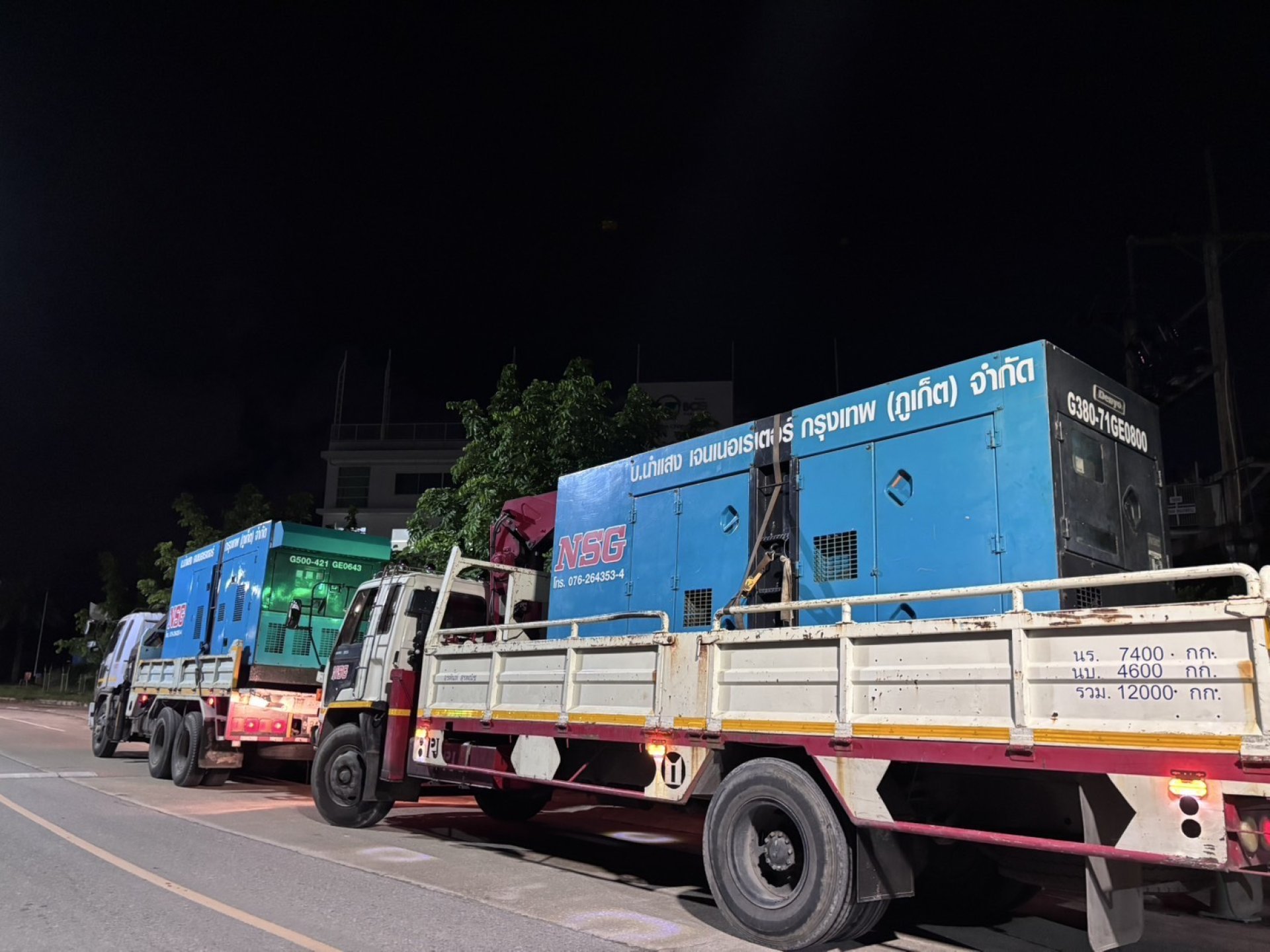
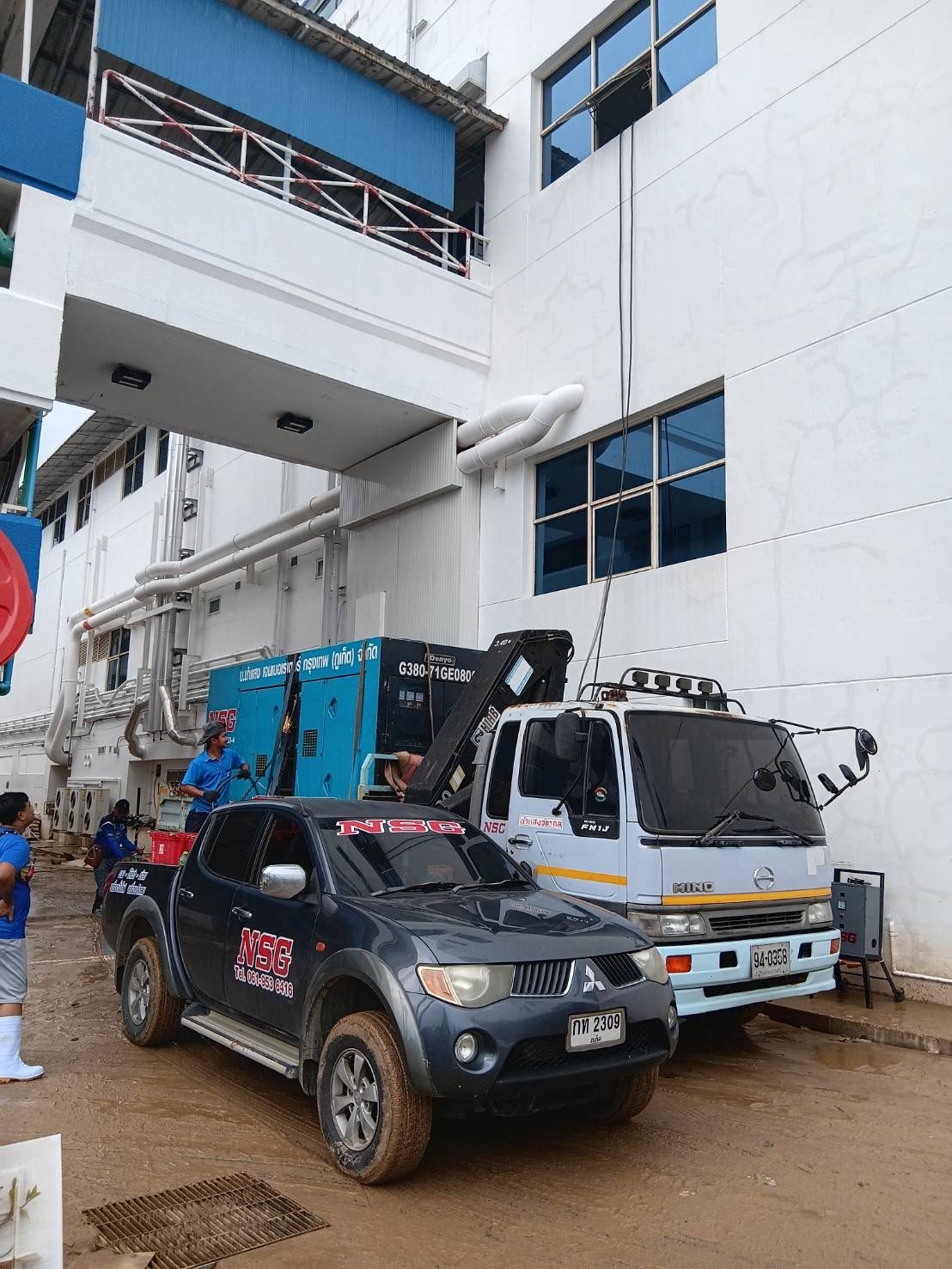
By fuel type, generators are available in diesel, gasoline, and gas models. Diesel generators are the most popular choice for industrial and commercial applications because of their durability and long-term cost efficiency. By physical design, generators come in open type, suitable for installation in dedicated generator rooms; silent type, enclosed in sound-attenuated cabinets and ideal for hotels or hospitals where noise control is critical; and mobile or portable type, perfect for events, construction sites, or remote locations.
How to Choose the Right Size
Generator capacity is measured in kVA. You should evaluate the running load of your continuous electrical demand as well as the starting load of equipment that draws high inrush current at startup, such as water pumps and air compressors. Then add a 25 to 50 percent safety margin to accommodate future expansion and prolong engine life. Sizing too tight can lead to overload and premature wear, while oversizing wastes upfront investment and operational cost.
Standby, Prime, and Continuous Ratings
Generators are designed for different duty cycles. Standby Power is intended for emergency backup when utility power fails, running intermittently while handling full load for short periods. Prime Power suits locations without grid electricity, allowing continuous operation with variable load. Continuous Power is designed for 24/7 operation at constant load, such as in off-grid facilities or self-powered factories. Matching the rating to your usage pattern will maximize equipment life and minimize cost.
Generator Maintenance
A well-maintained generator can last well over 20 years. Basic maintenance includes checking engine oil and coolant levels, replacing air filters and engine oil on schedule, test starting the unit at least once a month, inspecting the battery and terminals, and conducting periodic load tests to confirm the generator can deliver full power when needed. For hotels and factories in Phuket, signing an annual Preventive Maintenance contract with a qualified specialist significantly reduces outage risk and extends equipment life.
Conclusion
A generator is a worthwhile investment for business continuity and building safety. Choosing the right size, type, and duty cycle, combined with proper maintenance, gives you confidence that your operations can withstand any power disruption. If you are in Phuket and looking for a trusted generator partner for purchase, rental, or maintenance services, Namsang Phuket is ready to provide expert advice and professional service.