How Much Fuel Does a Generator Use? A Complete Guide to Calculating Diesel Generator Fuel Consumption
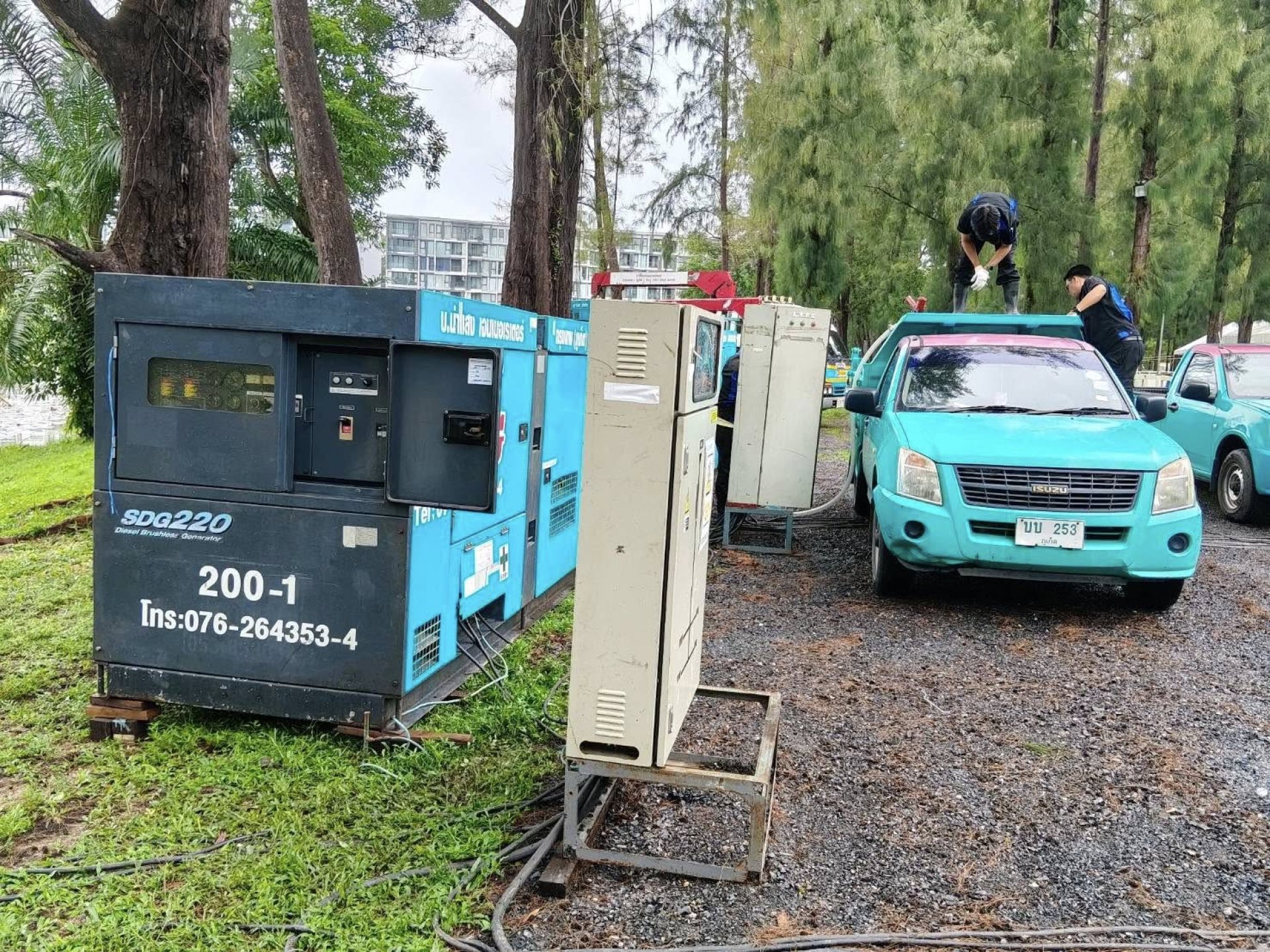
One of the most common questions for anyone planning to buy or rent a generator is: how much fuel does a generator use per hour? Fuel cost is one of the largest operating expenses for any diesel generator, so understanding the fuel consumption rate helps you budget accurately, compare models, and avoid unexpected costs on the job site.
In this guide, we walk through the formula used to calculate diesel generator fuel consumption, share a quick reference chart by kVA size, work through real-world examples, and explain practical ways to reduce fuel usage.
What Affects Generator Fuel Consumption?
Fuel usage is not a fixed number. It depends on several factors that work together:
1. Generator Size (kVA / kW)
Larger generators have larger engines, and larger engines burn more fuel. A 100 kVA generator will always use more fuel per hour than a 30 kVA unit at the same load percentage.
2. Load Percentage
The most important factor. A generator running at 25% load uses far less fuel than the same generator running at 100% load. Most diesel generators are most efficient at around 70%–80% load.
3. Engine Condition and Maintenance
Worn injectors, dirty air filters, and old engine oil all increase fuel consumption. A well-maintained generator can use 5%–15% less fuel than a neglected one.
4. Fuel Quality and Ambient Conditions
Low-quality diesel, very high temperatures, and high altitude can all change fuel efficiency.
The Formula to Calculate Diesel Generator Fuel Consumption
For diesel generators, the most widely used estimate is:
Fuel consumption (liters/hour) = 0.25 × kW × Load factor
Where:
• 0.25 is the average specific fuel consumption for diesel engines (liters per kW per hour)
• kW = generator power output in kilowatts (kW = kVA × 0.8)
• Load factor = actual load divided by rated load (e.g. 0.75 for 75% load)
This formula gives a reliable estimate for most modern diesel generators. The exact number can vary by 5%–10% depending on the engine model.
Diesel Generator Fuel Consumption Chart by kVA
The table below shows the approximate fuel consumption of common diesel generator sizes at different loads (liters/hour):
| Generator Size (kVA) | kW | 50% Load (L/hr) | 75% Load (L/hr) | 100% Load (L/hr) |
|---|---|---|---|---|
| 20 kVA | 16 kW | 2.0 | 3.0 | 4.0 |
| 50 kVA | 40 kW | 5.0 | 7.5 | 10.0 |
| 100 kVA | 80 kW | 10.0 | 15.0 | 20.0 |
| 150 kVA | 120 kW | 15.0 | 22.5 | 30.0 |
| 250 kVA | 200 kW | 25.0 | 37.5 | 50.0 |
| 500 kVA | 400 kW | 50.0 | 75.0 | 100.0 |
Note: These figures are estimates. Real consumption varies by engine model, age, and operating conditions.
Calculation Examples
Example 1: 100 kVA Generator at 75% Load
Step 1: Convert kVA to kW → 100 × 0.8 = 80 kW
Step 2: Apply the formula → 0.25 × 80 × 0.75 = 15 liters/hour
Step 3: For an 8-hour workday → 15 × 8 = 120 liters/day
Example 2: 250 kVA Generator at 50% Load
Step 1: 250 × 0.8 = 200 kW
Step 2: 0.25 × 200 × 0.5 = 25 liters/hour
Step 3: At a diesel price of 32 THB/liter → 25 × 32 = 800 THB/hour
How to Reduce Generator Fuel Consumption
Once you know how much fuel your generator uses, you can take steps to lower the bill:
- Right-size your generator. An oversized generator running at low load is inefficient. Aim for 70–80% load during normal operation.
- Stick to a maintenance schedule. Change engine oil, fuel filters, and air filters on time. Clean injectors when needed.
- Use quality diesel. Cheap or contaminated fuel reduces efficiency and damages the engine over time.
- Monitor the load. Turn off equipment that isn’t needed, and avoid long idle periods.
- Consider a modern engine. Newer FAWDE and other Tier-compliant engines can be noticeably more fuel efficient than older models.
Frequently Asked Questions
How much fuel does a 100 kVA generator use per hour?
Roughly 10 liters/hour at 50% load, 15 liters/hour at 75% load, and around 20 liters/hour at full load.
Is the 0.25 L/kW/hour figure accurate for all generators?</h3
It’s a reliable industry average for diesel generators. Specific models may use slightly more or less; check the manufacturer’s data sheet for an exact figure.
Does running at low load save fuel?
It saves fuel per hour but is inefficient and can damage the engine over time (wet-stacking). It’s better to size the generator correctly than to run it permanently at very low loads.
Need a Generator in Phuket?
If you’re looking to rent or buy a fuel-efficient diesel generator in Phuket, our team can recommend the right kVA size for your project, provide accurate fuel consumption estimates, and handle delivery, installation, and maintenance. Contact us for a free consultation and quotation.